
Our MissionThe Dispute Resolution Center empowers people to resolve their disputes by providing conflict resolution services and training community members in those skills.
Our VisionWe envision a South Sound community that has and uses healthy and respectful conflict resolution skills.
Our Values
We value personal empowerment, integrity, respect, collaboration, civility, and trust.
|

|
Our Commitment to Equity
We are committed to centering diversity, equity, inclusion, and social justice organizationally, and in our provision of services and programs for the community.
Learn more: Read the DRC Board of Directors' Statement on Race, Equity & Diversity
Learn more: Read the DRC Board of Directors' Statement on Race, Equity & Diversity
Our Staff
|
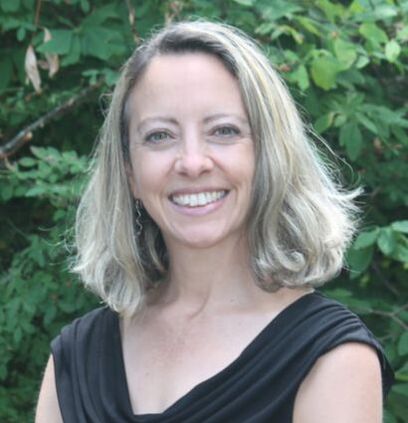
Jody SuhrbierExecutive Director
Jody provides stewardship for the DRC's mission fulfillment and long-term health, and nurtures collaborative partnerships in our community. |
|
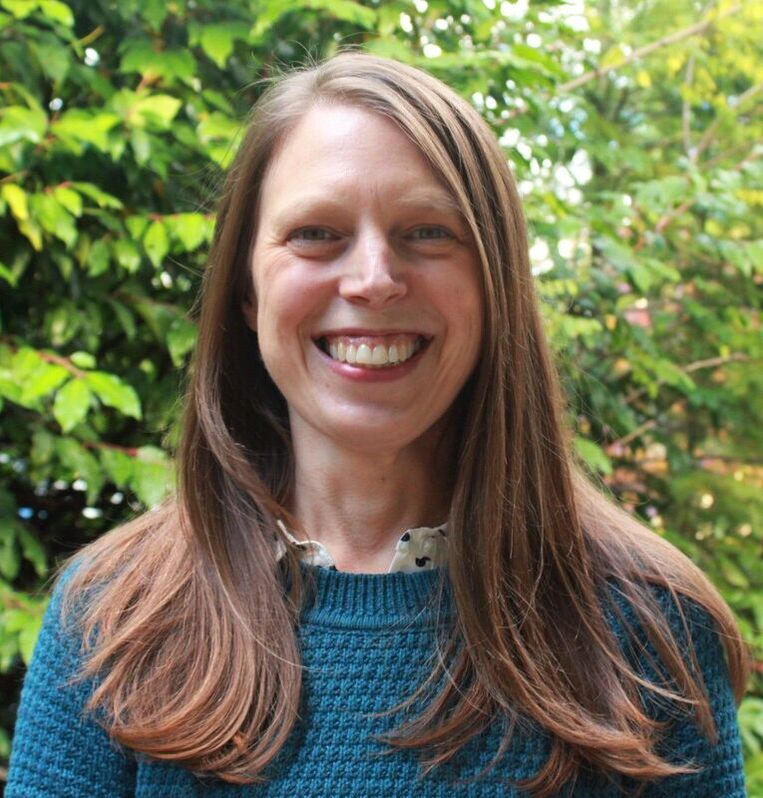
Elizabeth DrakeAssociate Director
Elizabeth oversees program operations, staffing and systems, financial accountability, and strategic direction. |
|
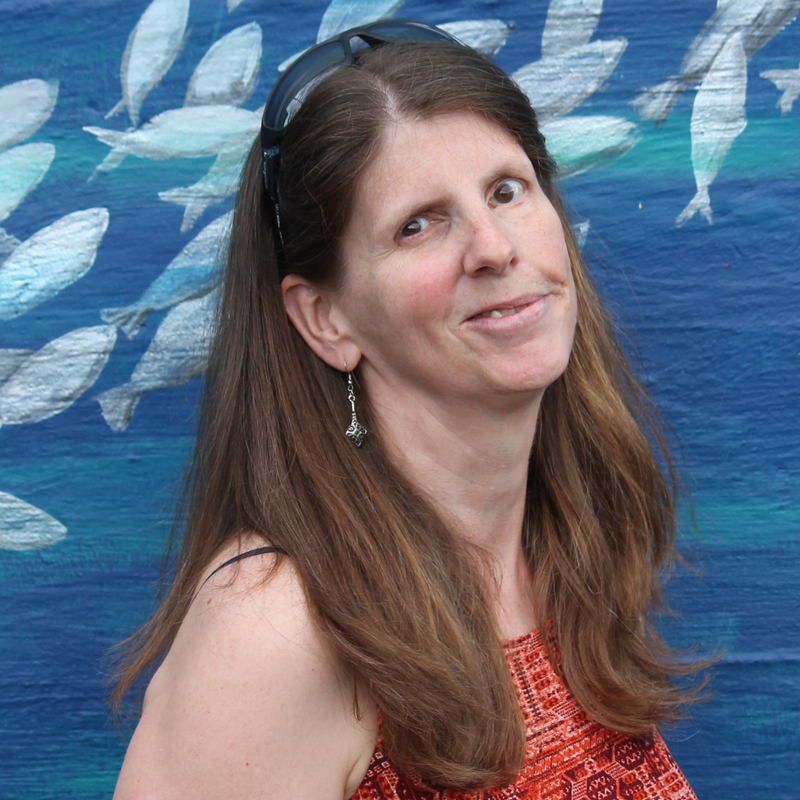
Alice SharrettMediation Manager
Alice coordinates mediation services by collaborating with volunteer mediators, intake staff, clients, and the community. |
|
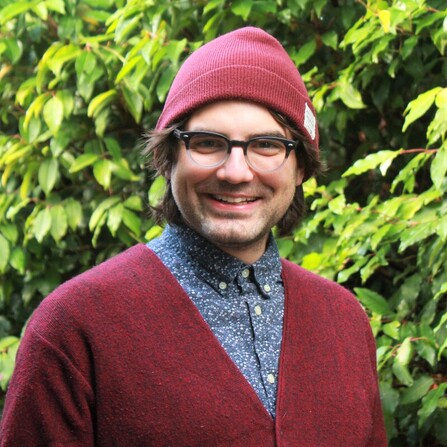
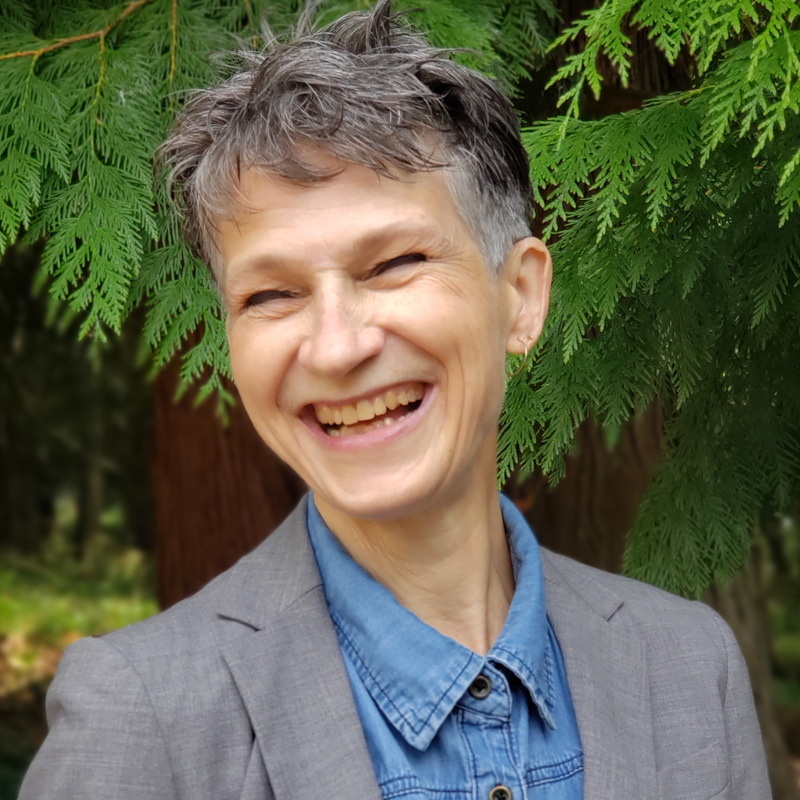
Ash EdmondsVolunteer Manager
Ash builds and maintains a vibrant community of practice and service delivery among mediators, phone conciliators, and volunteers. |
|
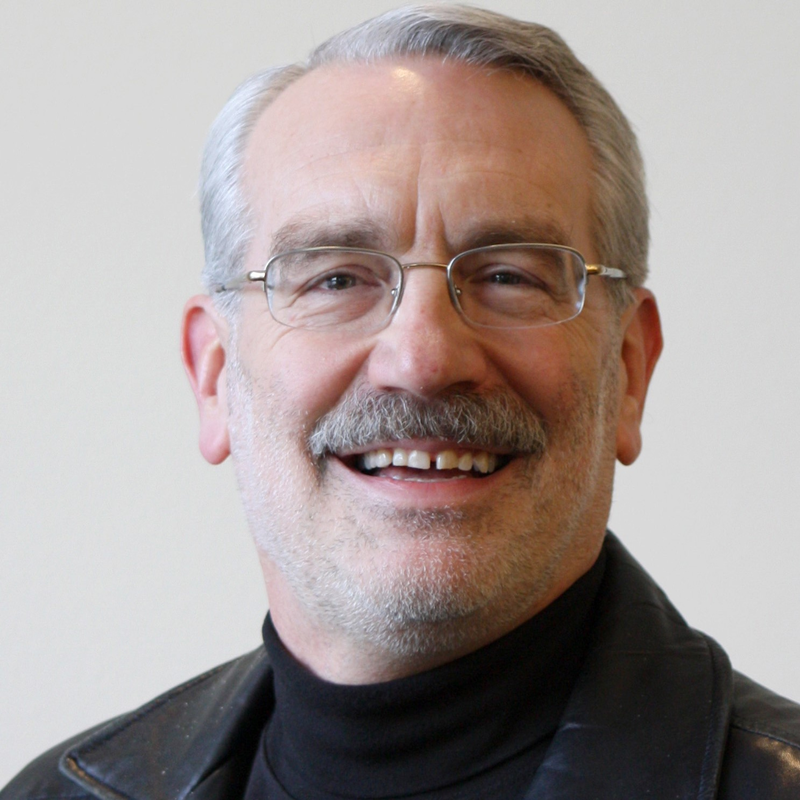
Jennifer MillerBusiness Manager
Jennifer manages financial, business, and compliance matters, and provides operations support to DRC programs. |
|
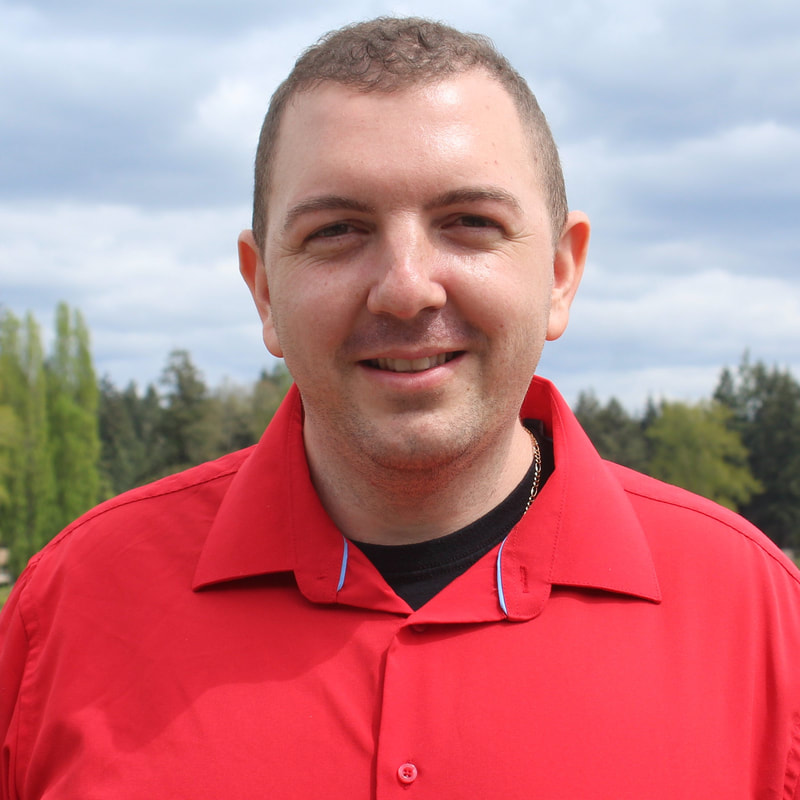
Joe SandersCommunity Engagement Manager
Joe coordinates fundraising, marketing, events, and community outreach in support of DRC services. |
|
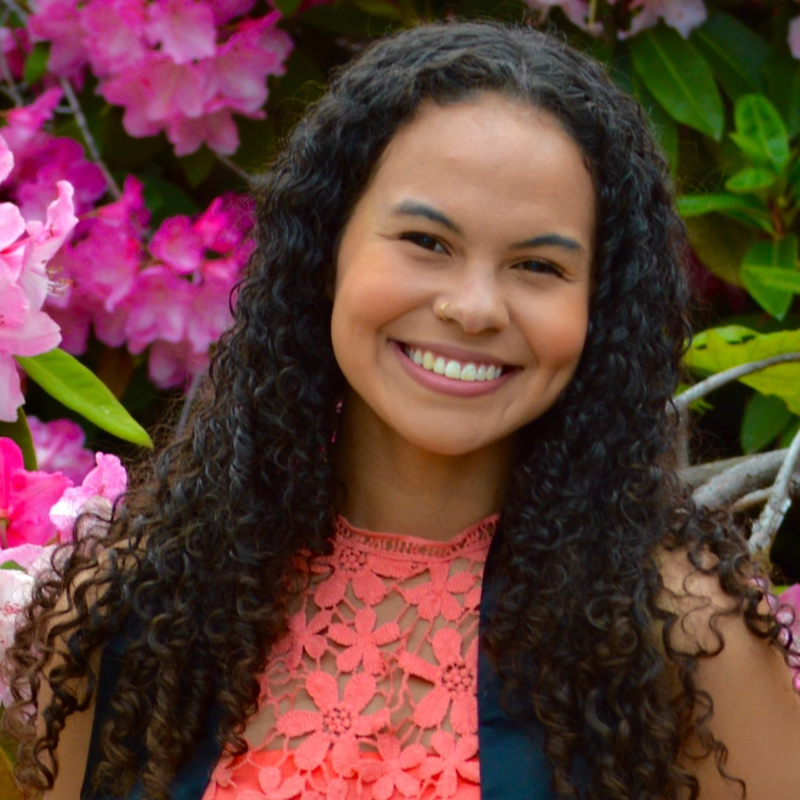
Ken StutoMediation Coordinator
Ken provides practice-based case management and support for mediation services. |
|
Leah RietemaTraining Manager
Leah leads skill-building training - from foundational to advanced levels - and provides continuing education opportunities for mediators. |

|
Luis ManzoBusiness Resources Manager
Luis provides outreach to local businesses to build awareness of and connection to DRC services. |
|
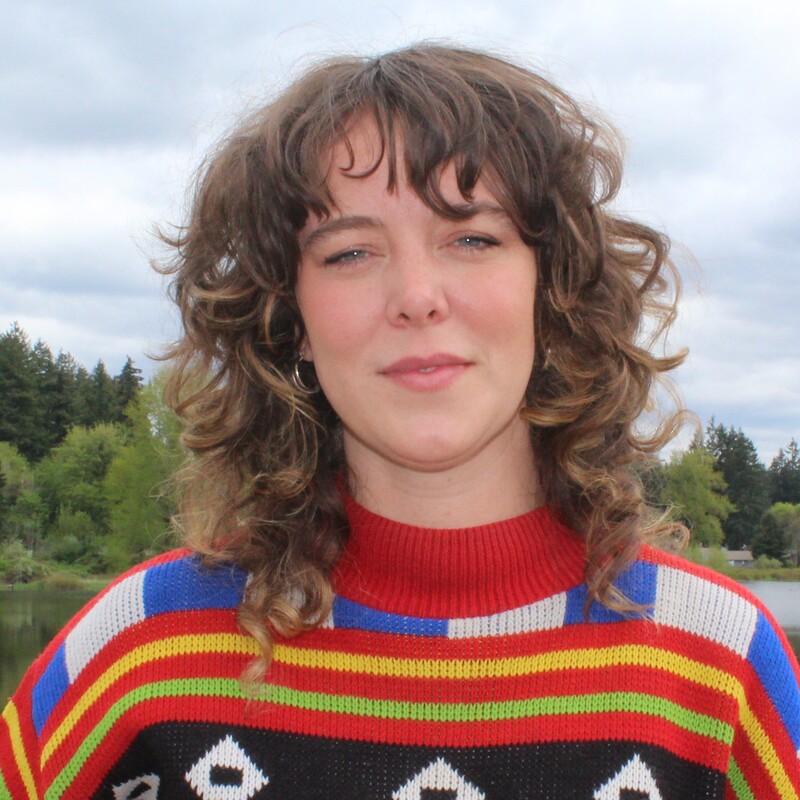
Olivia HuebnerLead Trainer
Olivia contributes to training delivery for adults and youth through effective training, coaching, facilitation, and overall training support. |
|
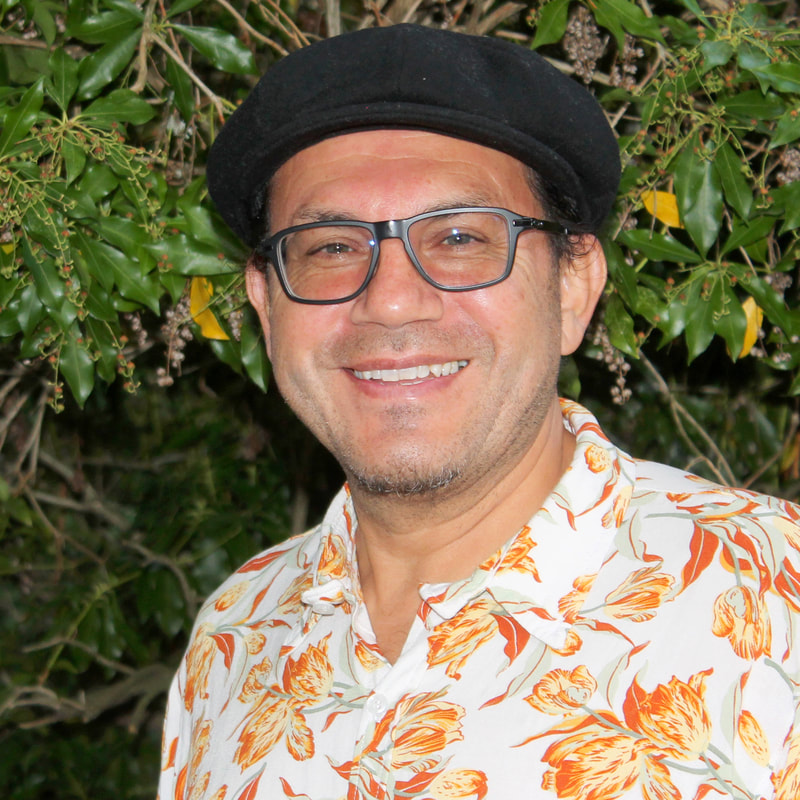
Yul GamboaMultilingual Services Coordinator
Yul coordinates outreach efforts to underserved communities to increase awareness of our mediation and training resources. |
|
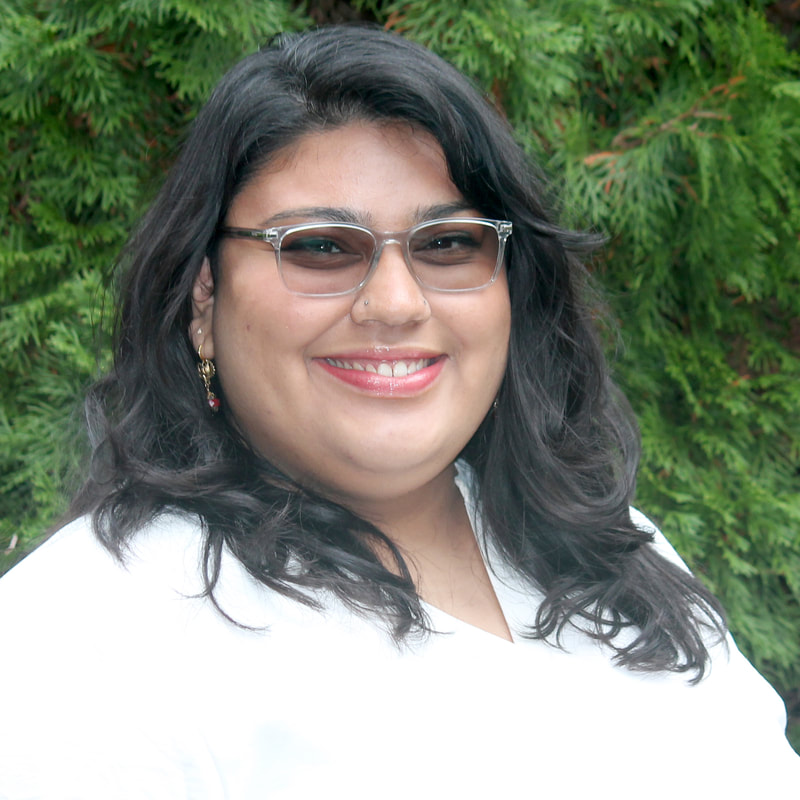
Angela Dominguez
Administrative & Advancement Specialist
Angela provides support to administrative, fundraising, communication and program activities. |
|
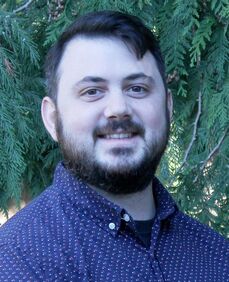
Logan PorterTraining Support Specialist
Logan provides support to the training department including preparation, scheduling, coordinating, and training. |
We're supported by a talented and dedicated Board of Directors.
|
|

Our History
|
There are two main threads that weave together to make community mediation what it is today – the neighborhood justice/community mediation thread born in the 1960’s and the alternative dispute resolution thread of the 1970’s."
Starting with the first thread, section 10 of the Civil Rights Act of 1964, embedded mediation in a community-led, process for dispute resolution. Neighborhood justice centers were created to focus on equal rights and an accessible, fair process. The federal commitment remains significant to the peace-building infrastructure in the United States today. Though no longer housed within the Department of Justice, the neighborhood justice centers of that era are today's community mediation centers, including the Dispute Resolution Center serving Thurston and Mason Counties, and an estimated 700 centers across the United States. As for a second thread - the Harvard Negotiation Project began in the late 60's and resulted in the widely popular and enduring book: “Getting to Yes” by Roger Fisher and William Ury, which gained popularity in the 70’s. At this time, there was a continuing sentiment that the judicial system was broken and that an alternative was needed, specifically alternatives to litigation and court-based systems of justice. |
This is often referred to as ADR – alternative dispute resolution and there are actually many alternatives: arbitration; mediation; negotiation; conciliation; mediation-arbitration; early neutral evaluation; fact finding; facilitation; & collaborative law.
Interest-based bargaining became the generally accepted theory of effective negotiation, which is the underpinning of our model of interest-based mediation, in a facilitative style. Interest-based mediation as we approach it today became more formalized during the Carter Administration." In Washington State, the Court Reorganization Act of 1984 (RCW 7.75) made it possible for communities to form community dispute resolution centers (DRCs). Our story in Thurston County began in 1990 with the simple notion that residents can settle their own disputes and learn effective communications with a little bit of help from other residents who’ve learned some practical, teachable and highly effective skills as neutral facilitators. We opened for services in 1991 as a not-for-profit DRC authorized by the County Commissioners under the state statute. |
The DRC organizing effort fell on very fertile soil. More and more people volunteered to get trained and provide conflict resolution services to their fellow community members. Within a few short years many community entities were involved, such as schools, courts, law enforcement, social services, churches, and civic organization.
Volunteers came from a wide cross-section of the community. Those who took our training, whether they continued to volunteer with us or not, took their skills back to their everyday lives at home, at work, and beyond. The growth of our DRC has been held up by a strong set of values. These values shape how the board, staff and volunteers work with each other and how the DRC provides mediation and training services to our clients, the residents of Thurston County. We promote respect, empowerment, civility and kindness in all human interactions, starting with ourselves and extending outwards from there. The DRC of Thurston County is one of 21 DRCs covering more than 94% of the state’s population. DRCs work collaboratively through an umbrella organization, Resolution Washington, to provide a relevant and cohesive array of services. |
Our Affiliations
|
|
|

Getting Around
|
2604 12th Court SW, Suite B
Olympia WA 98502 PO Box 6184 Olympia WA 98507 Hours Monday–Friday 9am–4:30pm ERP Program: Monday–Thursday 9am–5pm Federal Tax ID: 94-3130662 |
Contact US (360) 956-1155
Stay informed about our services and trainings. |
Our Business & CommunityPartners
The generous support of our business and community partners helps make the work of the DRC possible.
Please support these organizations that support peace in our community.
Please support these organizations that support peace in our community.
|

|
|
|


|


|
Our Affiliate Partners
Local, state-wide and national.
Local, state-wide and national.
|
|
|
|
|